



Tiny houses have become an increasingly popular option for people looking to simplify their lifestyle, reduce housing expenses, or create a more flexible living arrangement. With their smaller footprints and efficient designs, tiny homes can provide many of the comforts of a traditional house while requiring less space, fewer materials, and potentially a smaller financial commitment.
However, "tiny" doesn't necessarily mean inexpensive. The cost to build a tiny house can vary dramatically depending on its size, location, materials, construction method, utilities, land requirements, and level of customization. A professionally built tiny home with premium finishes can cost considerably more than a basic DIY structure, while expenses such as land preparation, permitting, utility connections, and transportation can add thousands of dollars to the total project.
Before deciding whether tiny house living is right for you, it's important to look beyond the price of the structure itself. Understanding the complete cost of building a tiny house can help you create a realistic budget, explore financing options, and avoid unexpected expenses along the way.
Embracing Tiny House Living
Tiny house living is about more than simply moving into a smaller home. For many people, it represents a different approach to homeownership and personal finances.
A smaller home may require less furniture, use less energy, and demand less time for cleaning and maintenance. It can also encourage homeowners to be more intentional about what they own and how they use their living space.
Tiny houses can serve a variety of purposes. Some people use them as primary residences, while others build tiny homes as vacation properties, guest houses, accessory dwelling units (ADUs), or additional living spaces for family members.
There are also different types of tiny houses. A tiny home may be built on a permanent foundation or constructed on a trailer so it can potentially be relocated. These choices can significantly affect construction requirements, permitting, insurance, financing, and total project costs.
Before committing to tiny house living, research local zoning and building requirements. A municipality may establish minimum dwelling sizes or restrictions on where a tiny house can be located. A tiny house on wheels may also be classified differently from a permanent residence.
Understanding these requirements before purchasing land or beginning construction can prevent expensive surprises.
How Much Does It Cost to Build a Tiny House?
There is no single answer to how much it costs to build a tiny house. Depending on size, location, construction method, and finishes, costs can range from tens of thousands of dollars to well over $100,000 for highly customized or professionally built homes.
The cost per square foot can also be surprisingly high. While a tiny home uses fewer total materials than a traditional house, it still requires many of the same major systems. A 400-square-foot home may still need a kitchen, bathroom, electrical system, plumbing, heating and cooling, appliances, windows, doors, and other essentials.
Several factors influence the final price:
- Home size and layout
- DIY versus professional construction
- Local labor costs
- Building materials
- Appliances and fixtures
- Foundation or trailer costs
- Permits and inspections
- Land prices
- Utility connections
- Transportation expenses
- Custom features and finishes
Creating a detailed project budget before construction begins is essential. It can also be helpful to include a contingency fund for unexpected expenses that arise during the building process.
Key Components of Tiny House Costs
Looking at individual expense categories can provide a much clearer picture of the true cost of a tiny home.
.png)
Land Acquisition and Preparation
Unless you already own suitable property, land can become one of the largest expenses associated with a tiny house.
Prices vary dramatically depending on location. Rural land may be relatively affordable, while property near major metropolitan areas can cost significantly more.
The purchase price isn't the only consideration. Land may need to be prepared before construction can begin.
Potential expenses include:
- Surveys
- Permits
- Excavation
- Grading
- Tree removal
- Driveway installation
- Foundation preparation
- Drainage improvements
- Utility connections
You should also confirm that local zoning regulations allow the type of tiny home you're planning to build.
For a tiny house on wheels, purchasing land may not always be necessary. However, you'll still need a legal location where the home can be parked and occupied, which could involve campground, community, or land rental expenses.
.png)
Structural and Exterior Expenses
The home's basic structure represents another significant portion of the budget.
Structural expenses may include:
- Foundation or trailer
- Framing
- Roofing
- Insulation
- Exterior siding
- Windows
- Doors
Material choices can make a substantial difference in price. Standard building materials can help control costs, while custom windows, premium siding, specialized roofing, and architectural details can quickly increase the budget.
Climate should also influence material decisions. Investing in appropriate insulation, roofing, and weather protection can potentially reduce maintenance and energy expenses over time.
Homeowners considering DIY construction may save on labor, but building a structurally sound home requires considerable skill. Electrical, plumbing, structural, and other specialized work may still require licensed professionals or inspections depending on local requirements.
Interior Design and Furnishing Costs
Tiny homes require creative interior design because every square foot matters.
Common interior expenses include:
- Flooring
- Cabinets
- Countertops
- Lighting
- Bathroom fixtures
- Appliances
- Storage
- Furniture
Custom-built storage and multifunctional furniture are particularly popular in tiny houses. A staircase might double as storage, a dining table could fold into a wall, or a sofa might convert into a sleeping area.
While these solutions maximize space, custom work can be expensive. Using standard-size cabinets, fixtures, and furniture where possible may help control costs.
Appliances are another important consideration. Compact refrigerators, combination washer-dryers, induction cooktops, and other space-saving appliances may carry different price points than standard household models.
Utilities and Essential Systems
Utilities can be one of the most overlooked parts of a tiny house budget.
A permanent tiny home may need connections for:
- Electricity
- Water
- Sewer or septic
- Internet
- Natural gas or propane
Connecting a property to municipal utilities can become expensive if services aren't already available nearby.
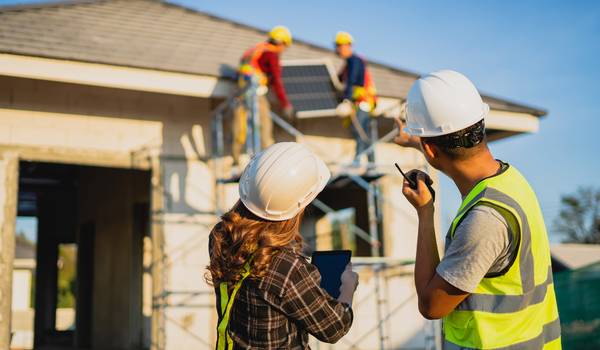
Some tiny house owners choose off-grid alternatives such as solar panels, composting toilets, rainwater collection systems, or private wells. These systems may reduce dependence on municipal infrastructure but can require significant upfront investments and ongoing maintenance.
Heating and cooling also need careful consideration. Because tiny homes have limited space, compact systems such as mini-split heating and cooling units are often considered.
Planning utility needs early can help prevent major changes, and additional costs, later in construction.
Strategies to Reduce Building Costs
Careful planning can help keep tiny house expenses manageable without sacrificing essential quality.
One of the most effective strategies is establishing a detailed budget before construction begins. Separate necessities from optional upgrades and prioritize spending on structural integrity, safety, insulation, and essential systems.
Other potential cost-saving strategies include:
- Choosing a simpler floor plan
- Using standard-size materials
- Comparing multiple contractor estimates
- Purchasing materials during sales
- Reusing or repurposing suitable materials
- Completing appropriate DIY work
- Choosing affordable finishes
- Avoiding unnecessary customization
It's also important to think long-term. Choosing the cheapest material isn't always the least expensive option if it requires frequent repairs or replacement.
A contingency fund should be part of your budget as well. Construction projects frequently encounter unexpected expenses, and having additional savings available can help keep the project moving without relying on expensive short-term borrowing.
Financing Your Tiny House Dream
Financing a tiny house can be different from financing a conventional home. Depending on the home's size, foundation, classification, and property, it may not qualify for a traditional mortgage.
That doesn't mean financing isn't available.
Potential options may include:
Personal Loans: An unsecured personal loan may provide funds for construction without using property as collateral, although rates and terms depend on the borrower's qualifications.
Home Equity Financing: Homeowners who already own another property may consider a home equity loan or home equity line of credit to finance construction.
Construction Financing: Certain projects may qualify for specialized construction loans, depending on the property and lender requirements.
Savings: Some buyers build in stages and use personal savings to minimize borrowing.
When comparing financing options, don't focus exclusively on the monthly payment. Consider the interest rate, APR, repayment term, fees, total borrowing costs, and whether collateral is required.
Credit unions can be a valuable resource when exploring financing possibilities. Speaking with a lender before beginning construction can help you understand how much financing may be available and which options could fit your project.
Making the Decision: Is a Tiny House Right for You?
Tiny house living can provide financial and lifestyle advantages, but it isn't the right choice for everyone.
Before building, consider how comfortably you can live with less space. Think about storage requirements, work-from-home needs, pets, family members, entertaining, and future lifestyle changes.
You should also consider the financial picture beyond construction. Research property taxes, insurance, maintenance, land expenses, utilities, financing costs, and potential resale considerations.
Ask yourself:
- How much space do I realistically need?
- Where will the tiny house be located?
- Do local regulations permit it?
- Will I build it myself or hire professionals?
- How will I finance construction?
- Could my housing needs change in the next several years?
- Does the total cost still make sense after including land and utilities?
The appeal of tiny house living often comes from simplicity, flexibility, and the possibility of reducing housing expenses. But achieving those benefits requires careful planning.
By developing a realistic budget, researching zoning requirements, comparing construction options, and understanding financing before you build, you can determine whether a tiny house fits both your lifestyle and financial goals. A thoughtfully planned tiny home can offer much more than a smaller place to live, it can provide a path toward a simpler and more intentional approach to homeownership.
Contact Us Today About a Loan for Your Tiny Home
Related Resources: