


.jpg)
Credit card interest can add up quickly and become a burden if not managed properly, especially for individuals carrying balances month-to-month. Understanding how interest works, and what you can do to lower it, is essential for long-term financial health.
Many cardholders don’t realize that interest rates are not always set in stone, and that there are practical, proven ways to reduce them or limit how much interest you pay over time.
Understanding how credit card interest works and taking strategic action can help you regain control of your finances, pay off debt faster, and save hundreds or even thousands of dollars.
This guide walks through how credit card interest rates work, actionable strategies to lower them, alternative solutions, and expert tips for managing credit card debt more effectively.

Understanding Credit Card Interest Rates
What Are Credit Card Interest Rates?
Credit card interest rates are the cost you pay for borrowing money from your card issuer. These rates are usually expressed as an Annual Percentage Rate (APR). If you carry a balance from month to month, the issuer applies interest to your unpaid balance.
Credit cards often have multiple APRs depending on how the card is used, including:
- Purchase APR – applied to everyday purchases
- Cash advance APR – typically much higher than purchase APR
- Penalty APR – applied if you miss payments or violate card terms
Because credit cards are unsecured loans, issuers charge higher interest rates compared to mortgages or auto loans to offset their risk.
How Rates Are Calculated
Most credit cards calculate interest using daily compounding. This means:
- Your APR is divided by 365 to get a daily rate.
- That daily rate is applied to your balance each day.
- Interest accumulates daily and compounds over time.
For example, a card with a 24% APR has a daily rate of about 0.065%. While that may seem small, daily compounding causes balances to grow quickly—especially when only minimum payments are made.
This is why reducing your interest rate, even by a few percentage points, can significantly lower the total cost of your debt.

Strategies to Lower Your CC Interest Rates
Negotiate with Your Issuer
One of the simplest and most overlooked ways to reduce your credit card interest rate is to ask.
Many card issuers are willing to lower your APR if:
- You have a good payment history
- Your credit score has improved
- You’ve been a long-term customer
- You mention competitive offers from other issuers
When calling your issuer:
- Ask for the retention or customer service department
- Politely request a lower APR
- Be specific about your payment history and credit improvements
Even a temporary reduction can help you pay down balances faster.
Balance Transfers
A balance transfer allows you to move existing credit card debt to another card, often with a 0% introductory APR for 12–21 months.
Benefits include:
- Interest-free payoff period
- Faster debt reduction
- Simplified payments
Things to watch for:
- Balance transfer fees (usually 3%–5%)
- Higher APR after the intro period
- Credit score requirements
Balance transfers work best if you have a clear plan to pay off the balance before the promotional rate expires. However, always check for transfer fees and ensure you can pay off the balance before the promotional rate expires to avoid unexpected interest spikes.
Improve Your Credit Score
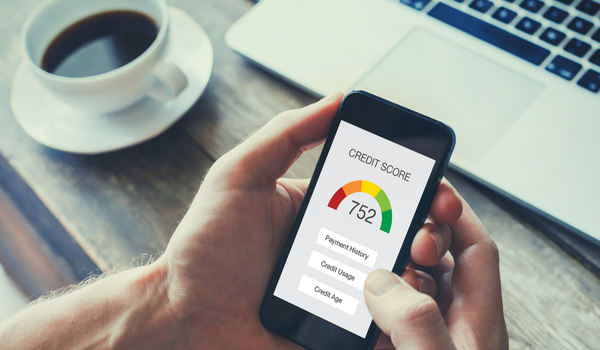
Your credit score plays a major role in determining the interest rates you’re offered. Improving your score can lead to:
- Lower interest rates on existing cards (after negotiation)
- Better balance transfer offers
- More favorable loan terms overall
Key ways to improve your score include:
- Paying bills on time
- Reducing credit utilization (aim for under 30%)
- Avoiding new unnecessary credit inquiries
- Keeping older accounts open
As your score improves, you gain leverage to negotiate better terms.

Alternative Solutions to Manage Credit Card Interest
Debt Consolidation Loans
A debt consolidation loan combines multiple credit card balances into a single loan with a lower, fixed interest rate.
Advantages:
- One predictable monthly payment
- Lower interest compared to credit cards
- Clear payoff timeline
This option works well for those with stable income and fair-to-good credit. It also helps eliminate the temptation to keep adding to credit card balances.
Using a Personal Loan
A personal loan can also be used to pay off high-interest credit card debt. Compared to credit cards, personal loans typically offer:
- Fixed interest rates
- Fixed repayment terms
- Lower APRs for qualified borrowers
This approach is especially useful if balance transfer offers aren’t available or if you want a structured repayment plan without revolving debt.

Expert Tips on Managing CC Debt
Budgeting and Spending Wisely
Lowering your interest rate is only part of the solution. Long-term success requires strong budgeting habits.
Effective strategies include:
- Tracking every expense for at least one month
- Identifying spending leaks (subscriptions, impulse purchases)
- Using the 50/30/20 rule (needs/wants/savings)
- Redirecting extra funds toward high-interest balances
The more aggressively you reduce your balance, the less interest you’ll pay, regardless of your APR.
Setting Up Automatic Payments
Late payments can trigger penalty APRs and damage your credit score, making it harder to reduce interest rates in the future.
Setting up automatic payments ensures:
- On-time payments every month
- Avoidance of late fees
- Strong payment history for negotiations
At minimum, automate the minimum payment to protect your credit, and manually pay extra when possible.
Conclusion
Reducing credit card interest rates isn’t just about saving money, it’s about regaining financial momentum. Whether through negotiation, balance transfers, credit score improvement, or alternative financing options, there are multiple paths to lowering the cost of your debt.
The key is taking action. High interest rates thrive on inaction and minimum payments. By understanding how interest works and using the strategies outlined above, you can shrink your balances faster, reduce financial stress, and move toward long-term financial stability.
If you’re feeling stuck, consider speaking with a financial professional or credit counselor. Sometimes a small change, like a lower interest rate, can make a big difference in your financial future.
Related Resources: