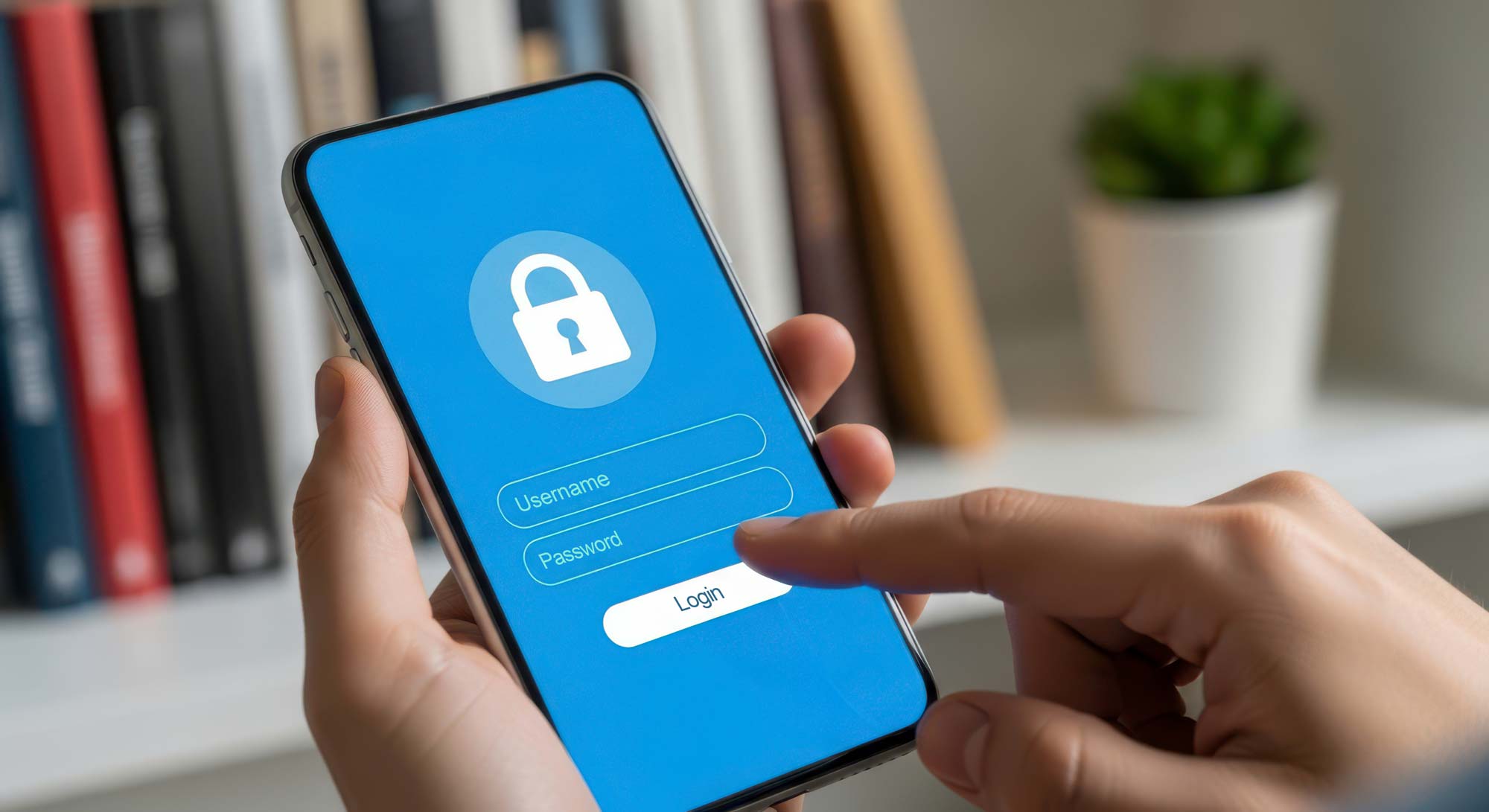
The holiday season brings excitement, celebrations, and plenty of opportunities to find the perfect gifts for friends and family. With online shopping, seasonal discounts, and last-minute deals becoming part of the holiday routine, consumers have more convenient ways than ever to complete their shopping lists. Unfortunately, this busy shopping period also creates opportunities for scammers looking to steal money, personal information, and financial account details.
From fraudulent online stores to convincing phishing messages, holiday shopping scams can affect even experienced shoppers. Cybercriminals often take advantage of the urgency surrounding limited-time sales, shipping deadlines, and popular products to trick consumers into making quick decisions without verifying the legitimacy of an offer.
Understanding how holiday shopping scams work is one of the most effective ways to protect your finances. By recognizing warning signs, practicing safe shopping habits, and taking advantage of available financial security tools, you can reduce your risk of becoming a victim of fraud.

What Are Holiday Shopping Scams?
Holiday shopping scams are fraudulent schemes designed to exploit consumers during the busy holiday shopping season. These scams often involve fake retailers, deceptive advertisements, fraudulent payment requests, or messages that impersonate legitimate businesses.
Scammers may attempt to steal credit card information, collect payments for products that never arrive, or gain access to online banking accounts. Some schemes are relatively easy to recognize, while others closely imitate trusted retailers and delivery companies.
Although shopping scams occur throughout the year, the holiday season presents additional opportunities for fraud because consumers are frequently making purchases, tracking packages, and responding to promotional offers.
Why Are They on the Rise?
Several factors make the holiday shopping season particularly attractive to scammers.
- Increased Online Shopping: As more consumers shop online, criminals have additional opportunities to create fraudulent websites, advertisements, and payment requests.
- Time-Sensitive Promotions: Limited-time discounts and holiday shipping deadlines can encourage shoppers to act quickly without thoroughly evaluating an offer.
- High Transaction Volumes: Consumers often make more purchases than usual during the holidays, potentially making unfamiliar charges harder to recognize.
- Sophisticated Fraud Techniques: Scammers increasingly use convincing website designs, impersonated business communications, and artificial intelligence-generated content to make fraudulent offers appear legitimate.
The combination of convenience, urgency, and increased spending makes awareness especially important during the holiday season.
Common Types of Holiday Shopping Scams
Recognizing common holiday scams can help you identify suspicious activity before it results in financial loss.
Fake Online Stores
Fraudulent online retailers are among the most common holiday shopping scams. These websites may advertise popular electronics, clothing, toys, or other products at unusually low prices.
Some fake stores imitate established brands, while others create entirely fictional businesses with professional-looking websites.
Warning signs include:
- Prices significantly below those offered by reputable retailers
- Missing or unverifiable contact information
- Unusual payment requirements
- Poorly written return or refund policies
- Recently created websites with little independent customer feedback
Before making a purchase, research unfamiliar retailers and verify that the website belongs to a legitimate business. Remember that a website displaying HTTPS or a padlock icon is not necessarily trustworthy; these features indicate an encrypted connection, not proof that the seller is legitimate.
Phishing Emails and Texts
Phishing scams involve fraudulent messages designed to trick recipients into revealing personal or financial information.
During the holidays, scammers frequently impersonate retailers, delivery companies, and financial institutions.
Common examples include messages claiming:
- Your package cannot be delivered without additional payment.
- Your order has been canceled and requires immediate verification.
- You've won a holiday gift card or promotional prize.
- Your account has been locked because of suspicious activity.
- You must confirm payment information to complete a purchase.
These messages often contain links directing recipients to fraudulent websites.
Rather than clicking a suspicious link, visit the retailer's or delivery company's official website directly. If a message appears to come from your financial institution, contact the institution using its verified website, mobile app, or published phone number.
Gift Card Scams
Gift cards are popular holiday presents, but they're also frequently used in fraudulent schemes.
Scammers may request payment through gift cards because the funds can be difficult to recover once the card numbers and PINs are shared.
For example, a scammer might impersonate a retailer, employer, family member, or government agency and insist that an urgent payment must be made using gift cards.
Other schemes involve selling fraudulent or previously redeemed gift cards through unauthorized websites.
To protect yourself, purchase gift cards directly from reputable retailers, inspect physical cards for signs of tampering, and keep purchase receipts.
Most importantly, never use gift cards to pay someone who unexpectedly demands money or claims you owe a debt. Legitimate financial institutions and government agencies do not require gift card payments to resolve account problems.
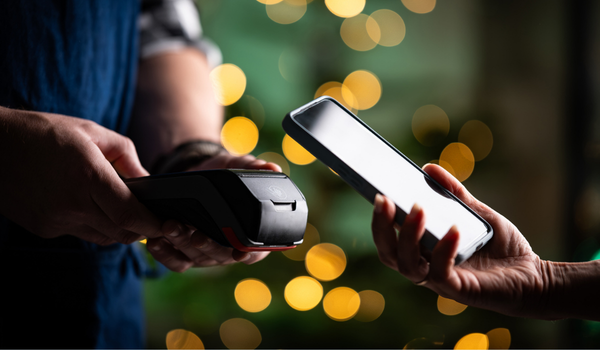
How to Protect Yourself from Holiday Shopping Scams
Preventing fraud requires a combination of secure financial habits, careful shopping decisions, and regular account monitoring.
Secure Your Accounts
Protecting your financial accounts is an important first step toward avoiding holiday shopping scams.
Start by creating strong, unique passwords for online banking, shopping accounts, and email. A password manager can help generate and securely store complex passwords.
Whenever possible, enable multifactor authentication, which requires an additional verification step before allowing account access. Authentication apps or passkeys can provide stronger protection against certain attacks than passwords alone.
Other helpful practices include:
- Enabling transaction alerts
- Monitoring checking and credit card activity
- Updating mobile devices and computers
- Avoiding financial transactions on shared or public computers
- Keeping banking credentials private
Austin Telco Federal Credit Union provides card services and digital banking resources that members can explore as part of their financial security strategy. Understanding which security features are available and how to use them can help members stay informed about account activity.
Spotting Red Flags
Holiday scams often rely on emotional pressure or a sense of urgency.
Be cautious when an advertisement or message encourages you to act immediately to avoid losing an opportunity.
Common warning signs include:
- Deals that seem too good to be true
- Requests for sensitive financial information through unsolicited messages
- Demands for payment using gift cards, cryptocurrency, or wire transfers
- Websites with unusual or misspelled addresses
- Unexpected requests to verify account information
- Sellers who refuse to provide clear refund or return policies
Scammers may also impersonate customer service representatives and pressure consumers into sharing one-time security codes.
Never provide authentication codes to someone who contacts you unexpectedly, even if the person claims to represent a trusted business.
Verify Before You Buy
Taking a few minutes to verify a seller can prevent costly mistakes.
Before purchasing from an unfamiliar online store, search for independent customer reviews, confirm the retailer's contact information, and carefully review its return policy.
Pay attention to the website address, particularly when arriving through social media advertisements or promotional emails.
When possible, consider using a credit card for online purchases because federal protections may help limit liability for unauthorized transactions and provide options for disputing certain purchases.
Keep electronic receipts and order confirmations so you can compare transactions against your financial statements.
For expensive purchases, comparing prices across multiple reputable retailers can also help identify suspiciously low offers.
Tools and Resources for Safety
Even cautious shoppers can encounter sophisticated scams. Fortunately, security tools and fraud reporting resources can provide additional protection and help consumers respond quickly when suspicious activity occurs.
Fraud Prevention Software
Reliable security software can help protect computers and mobile devices against malware, malicious websites, and other cyber threats.
Consider using antivirus software with real-time protection, phishing detection, and automatic security updates. Browser security features can also help identify suspicious websites before you enter sensitive information.
However, fraud prevention isn't limited to software installed on your devices. Financial institutions may provide additional tools designed to identify unauthorized transactions and help protect payment cards.
Austin Telco Federal Credit Union's Fraud Monitoring Services
Through its partnership with Visa, ATFCU uses FALCON Fraud Manager, a fraud detection and monitoring system designed to identify potentially unauthorized card charges and help prevent fraud if a card is lost or stolen.
If FALCON detects suspicious activity, a fraud representative will contact the member. The card may also be temporarily blocked if the representative cannot reach the member.
ATFCU also provides card management features through Digital Banking, allowing members to set spending limits for certain transactions, including point-of-sale purchases and ATM withdrawals.
Additionally, eligible Visa transactions are covered by Visa's Zero Liability Policy, subject to its terms and exclusions. This policy provides protection against qualifying unauthorized charges when cardholders take appropriate precautions and promptly report unauthorized use.
These features can provide valuable additional protection during the busy holiday shopping season, when frequent purchases may make unusual transactions more difficult to recognize.
Reporting Scams
If you suspect you've become a victim of a holiday shopping scam, acting quickly may help limit further financial damage.
Start by contacting your financial institution to report suspicious transactions and determine whether your card or account needs to be secured.
ATFCU encourages members to review their account activity regularly and report suspicious charges immediately. Members can contact Austin Telco Federal Credit Union at 512-302-5555 for assistance.
Additional reporting resources include:
- Federal Trade Commission (FTC): Report suspected scams at ReportFraud.ftc.gov.
- FBI Internet Crime Complaint Center (IC3): Report internet-related fraud at IC3.gov.
- IdentityTheft.gov: Access recovery guidance if your personal information has been compromised.
- Credit Bureaus: Consider placing a fraud alert or credit freeze if identity theft is suspected.
If you believe your password has been compromised, change it immediately and review other accounts that may use the same credentials.
Keep copies of suspicious messages, transaction records, receipts, and communications with sellers. These records may help support an investigation or payment dispute.

Take Action: Stay Safe this Holiday Season
Holiday shopping should be an enjoyable experience, not a source of financial stress. While scammers continue to develop new tactics, adopting a few consistent security habits can significantly reduce your exposure to fraud.
Protecting your finances doesn't require avoiding online shopping altogether. Instead, focus on verifying unfamiliar sellers, securing your accounts, reviewing transactions, and using the fraud protection resources available through your financial institution.
Checklist for Safe Holiday Shopping
Before making your next holiday purchase, review this checklist:
- Shop with trusted retailers. Research unfamiliar businesses before providing payment information.
- Use secure payment methods. Avoid sellers who insist on gift cards, wire transfers, or other difficult-to-recover payments.
- Enable multifactor authentication. Add another layer of security to financial and shopping accounts.
- Watch for phishing attempts. Never click unexpected payment or delivery links without verifying their source.
- Monitor account activity. Review purchases regularly and report unfamiliar transactions promptly.
- Keep devices updated. Install security updates and use reliable protection software.
- Set card spending limits when appropriate. Explore available card management features to help control transactions.
- Protect personal information. Never share passwords, PINs, or one-time security codes with unsolicited callers or message senders.
- Save purchase records. Keep receipts and order confirmations in case a transaction needs to be disputed.
- Report suspicious activity immediately. Contact your financial institution as soon as you identify potential fraud.
Austin Telco Federal Credit Union helps members protect their finances through card management tools, Visa's FALCON Fraud Manager monitoring system, and applicable Visa Zero Liability protections.
By combining these resources with safe shopping practices, you can approach the holiday season with greater confidence. Taking a few extra moments to verify purchases and monitor your financial accounts can help keep your money protected while you focus on what matters most—enjoying the holidays with family and friends.
Stay safe this holiday season—protect your finances with ATFCU's security tips and tools!
Related Resources: